
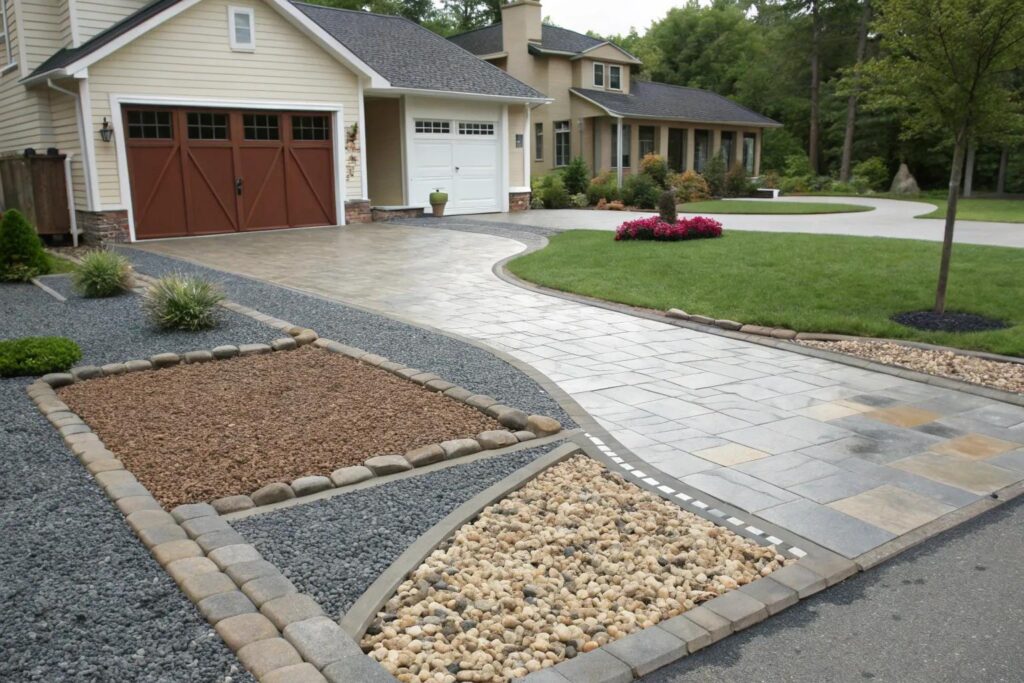
A concrete driveway is one of the most important exterior features of any home. It is the first thing people see, and it also plays a major role in durability, functionality, and long-term property value. In 2026, homeowners are focusing more on affordable concrete driveway installation and maintenance because they want strong, long-lasting surfaces without unnecessary repair costs.
This guide explains everything you need to know—from installation basics to maintenance strategies—so you can make informed decisions, save money, and extend the life of your driveway.
Why Concrete Driveways Are a Smart Investment in 2026
Concrete driveways remain one of the most popular choices for homeowners due to their balance of affordability, strength, and longevity. In 2026, with rising construction costs, concrete continues to stand out as a cost-effective solution compared to asphalt or pavers.
A properly installed concrete driveway can last 25–40 years with minimal maintenance. It also improves curb appeal and increases property value, making it a smart long-term investment.
Homebuyers prefer homes with well-maintained driveways because it reflects overall property care and reduces future maintenance expenses.
Understanding the Concrete Driveway Installation Process
Installing a concrete driveway is a multi-step process that requires planning, precision, and proper execution. Each step affects durability and performance.
1. Site Preparation
The first step involves clearing the area, removing debris, and leveling the ground. Proper grading is essential to ensure water drainage and prevent pooling.
2. Formwork Setup
Wooden or metal forms are installed to define the shape and boundaries of the driveway. This ensures accuracy and structural alignment.
3. Base Layer Installation
A compacted gravel or crushed stone base is added to improve stability and prevent cracking over time.
4. Concrete Pouring
Concrete is poured evenly and spread across the surface. Professionals ensure consistent thickness for maximum durability.
5. Finishing and Smoothing
The surface is leveled and smoothed using specialized tools. Texture or patterns can also be added for aesthetic appeal.
6. Curing Process
Curing is one of the most important steps. Concrete must be kept moist for several days to achieve full strength and durability.
Factors That Affect Concrete Driveway Cost
The cost of installing a concrete driveway can vary depending on several key factors. Understanding these helps homeowners plan budgets more effectively.
Driveway Size
Larger driveways require more materials and labor, increasing overall cost.
Concrete Thickness
Thicker slabs provide more durability but also increase material expenses.
Design Complexity
Stamped or decorative concrete costs more than standard plain finishes.
Site Conditions
Uneven terrain or soil issues may require additional preparation work.
Location and Labor Costs
Regional pricing differences can impact total installation cost.
Despite these variables, concrete remains one of the most affordable long-term driveway solutions.
Benefits of Concrete Driveways
Concrete driveways offer several advantages that make them a preferred choice for homeowners.
Long Lifespan
Concrete driveways can last decades with proper installation and care, making them highly cost-effective over time.
High Strength and Durability
Concrete withstands heavy vehicles, weather changes, and daily use without significant wear.
Low Maintenance
Unlike other materials, concrete requires minimal maintenance and occasional cleaning.
Improved Curb Appeal
A clean, well-finished driveway enhances the overall appearance of your home.
Increased Property Value
Homes with well-maintained concrete driveways tend to attract higher resale value.
Common Problems with Concrete Driveways
Even though concrete is durable, certain issues can develop over time if not properly maintained.
Cracking
Cracks can form due to soil movement, temperature changes, or improper installation.
Surface Discoloration
Exposure to weather and chemicals may cause staining or fading.
Drainage Issues
Poor slope design can lead to water pooling and long-term damage.
Scaling or Spalling
Freeze-thaw cycles or poor-quality concrete can cause surface flaking.
Early detection and maintenance can prevent these issues from becoming major problems.
Maintenance Tips for Long-Lasting Concrete Driveways
Proper maintenance is key to extending the lifespan of your driveway.
Regular Cleaning
Wash your driveway regularly to remove dirt, oil stains, and debris.
Sealcoating
Apply a sealant every 2–3 years to protect against moisture and surface damage.
Crack Repair
Fix small cracks immediately to prevent them from expanding.
Avoid Heavy Impact
Avoid dropping heavy objects or using sharp tools on the surface.
Proper Drainage
Ensure water flows away from the driveway to avoid erosion and weakening.
These simple steps can significantly extend durability and maintain appearance.
Affordable Ways to Improve Concrete Driveways
Homeowners often want to upgrade their driveway without spending too much money. Here are cost-effective improvements:
Stamped Concrete Finishes
Add patterns and textures to enhance appearance without full replacement.
Edge Resurfacing
Repair only damaged sections instead of replacing the entire driveway.
Concrete Overlay
Apply a new surface layer over existing concrete for a refreshed look.
Simple Color Additives
Use stains or dyes to improve aesthetics at a low cost.
These upgrades provide visual improvements while keeping budgets under control.
Why Professional Installation Matters
While DIY projects may seem cost-saving, concrete driveway installation requires expertise. Poor installation often leads to cracks, uneven surfaces, and early deterioration.
Professional contractors ensure proper grading, correct mix ratios, and precise finishing. They also understand local soil conditions and weather factors that affect long-term durability.
Hiring experienced professionals ultimately saves money by reducing future repair costs and extending driveway lifespan.
Environmental Benefits of Concrete Driveways
Concrete is also an environmentally responsible choice in 2026.
It reflects heat better than asphalt, reducing urban heat effects. It is also long-lasting, which reduces the need for frequent replacements and material waste.
Additionally, modern concrete mixes often include recycled materials, making them more sustainable than ever before.
Final Thoughts
A well-installed and properly maintained concrete driveway is one of the best investments a homeowner can make. It improves curb appeal, increases property value, and provides long-lasting functionality at an affordable cost.
By understanding the installation process, maintenance requirements, and cost factors, homeowners can make smarter decisions and avoid unnecessary expenses.
Whether you are installing a new driveway or maintaining an existing one, focusing on quality materials and proper care ensures long-term durability and performance.
Schedule Consultation (CTA Section)
If you are planning a new driveway or need repairs, now is the perfect time to invest in professional concrete services. Expert installation ensures strength, durability, and long-lasting value for your property.
Schedule a consultation today with experienced concrete professionals who can design and build a driveway tailored to your home and budget.
Get Free Estimate Today
Book Your Driveway Installation Consultation Now
A strong driveway starts with the right planning—and the right team.