Louisiana homeowners know that storms are not occasional events—they are a part of life. High winds, heavy rain, hurricanes, and sudden weather shifts can severely damage roofs, leading to leaks, structural issues, and expensive repairs if not handled quickly. This guide shares expert roof repair tips for Louisiana homeowners after storm damage to help protect your home, reduce costs, and extend roof life while ensuring safety and long-term durability.
Whether you live in New Orleans, Metairie, Slidell, Kenner, or surrounding areas, understanding how to respond after a storm can make the difference between a simple repair and a full roof replacement.
Understanding Storm Damage in Louisiana Roofs
Storm damage in Louisiana is often more complex than visible missing shingles. High humidity, wind pressure, and heavy rainfall create hidden problems that worsen over time. After a storm, your roof may look intact, but underlying damage could already be developing.
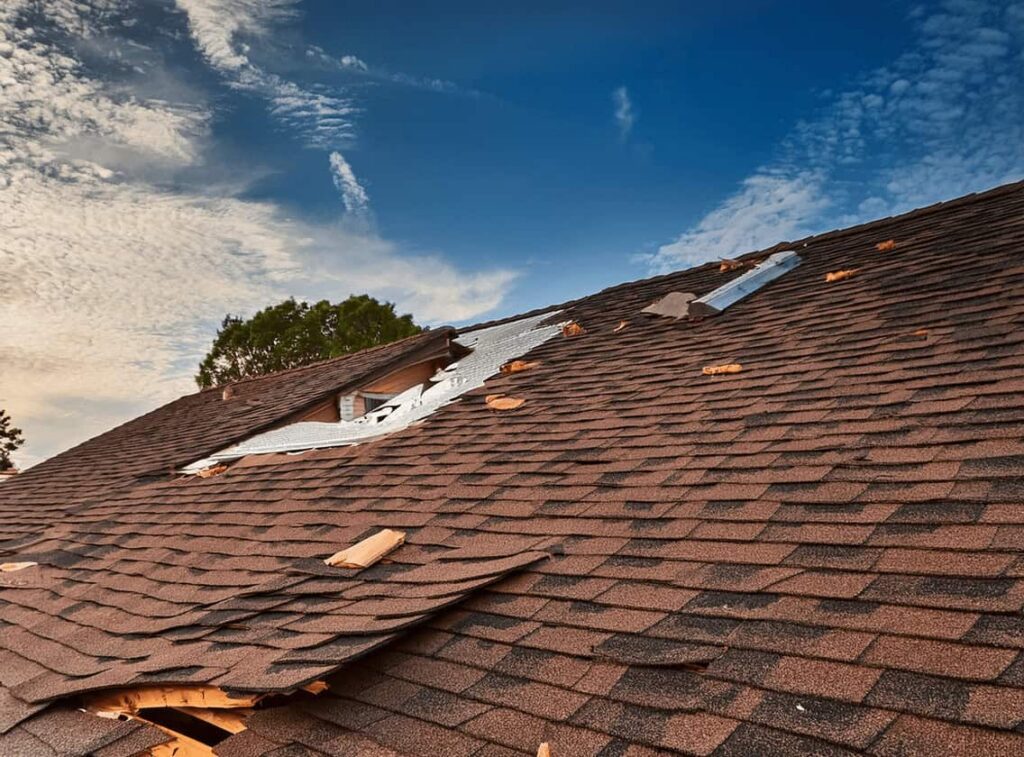
Common storm-related roofing issues include lifted shingles, punctures caused by flying debris, cracked flashing, clogged gutters, and water intrusion beneath roofing layers. In coastal and low-lying areas, wind uplift is especially dangerous because it weakens the roof’s protective seal.
Homeowners often delay inspections thinking damage is minor, but even small leaks can lead to mold growth, insulation damage, and structural weakening. That is why early detection and professional evaluation are critical in Louisiana’s climate.
First Steps to Take Immediately After a Storm
Once a storm passes, safety should always come first. Never climb onto your roof immediately after severe weather, especially if it is wet or unstable. Instead, perform a ground-level inspection.
Start by checking for visible signs such as fallen shingles, broken tree branches on the roof, or debris accumulation. Inspect ceilings and attic spaces for water stains or dripping. These are early warning signs of roof penetration.
It is also important to document any visible damage with photos. This helps with insurance claims and ensures accurate repair estimates. Homeowners in Louisiana often rely on insurance after hurricane season, so documentation is extremely important.
Next, contact a local roofing professional for a detailed inspection. Even if damage appears minor, trained experts can detect hidden issues that are not visible from the outside.
Common Roof Problems After Louisiana Storms
Storms in Louisiana create a specific set of roofing problems due to humidity, salt air, and wind exposure. Understanding these issues helps homeowners take faster action.
Missing or Lifted Shingles
Strong winds can easily lift or completely remove shingles. This exposes the roof underlayment, allowing water to seep in and cause leaks.
Roof Leaks and Water Intrusion
Heavy rain often finds weak points in flashing, vents, or damaged shingles. Once water enters, it spreads quickly through insulation and ceilings.
Damaged Flashing
Flashing around chimneys, skylights, and vents often loosens during storms, creating entry points for water.
Gutter Blockage and Overflow
Storm debris clogs gutters, causing water to back up onto the roof, leading to rot and fascia damage.
Structural Weakening
Repeated storm exposure weakens roof decking over time, especially in older homes across Louisiana coastal regions.
Why Quick Roof Repairs Are Critical
Delaying roof repairs after a storm can significantly increase repair costs. Even a small leak can spread moisture into walls, insulation, and electrical systems.
In Louisiana’s humid environment, trapped moisture quickly leads to mold growth, which poses health risks and requires expensive remediation. Structural wood can also rot within weeks if exposed to continuous water intrusion.
Fast action not only prevents damage but also strengthens insurance claims. Most insurance companies expect homeowners to act quickly after storm damage. Waiting too long may result in reduced claim approvals.
Quick repairs also extend roof lifespan, preventing minor issues from turning into full replacements. In storm-prone areas like Jefferson Parish, St. Tammany Parish, and Orleans Parish, timely maintenance is essential for long-term property protection.
DIY Inspection vs Professional Roof Inspection
While homeowners can safely perform basic visual inspections, professional roofing assessments are far more detailed and reliable.
A DIY inspection may identify missing shingles or visible leaks, but it cannot detect hidden structural damage or moisture trapped beneath roofing layers.
Professional roofers use advanced tools to detect water intrusion, insulation damage, and weak structural areas. They also understand regional weather patterns in Louisiana, which helps them predict potential future issues.
Additionally, professionals ensure safety. Roof surfaces can be slippery or unstable after storms, making accidents common for untrained individuals.
For accurate evaluation and long-term protection, hiring a certified roofing contractor is always recommended.
Emergency Roof Repair Tips for Homeowners
When storm damage occurs, temporary measures can help reduce further damage before professional repairs are completed.
Cover exposed areas with waterproof tarps to prevent water entry. If safe, clear debris such as branches or leaves from gutters and roof surfaces. Place buckets indoors to collect water from active leaks.
Turn off electrical systems in affected areas if water intrusion is severe. This reduces the risk of electrical hazards.
However, these are only temporary solutions. Permanent repairs should always be handled by professionals to ensure safety and structural integrity.
How Insurance Helps After Roof Storm Damage
Most Louisiana homeowners rely on insurance to cover storm-related roof damage. Understanding how the process works can speed up repairs.
Insurance companies typically require proof of storm damage, detailed documentation, and professional inspection reports. This is why taking photos immediately after the storm is important.
A roofing contractor can also assist by providing estimates and inspection reports that support your claim. Many experienced roofers in Louisiana work directly with insurance adjusters to ensure accurate evaluations.
Homeowners should review their policy to understand coverage limits, deductibles, and exclusions related to storm damage.
Preventing Future Roof Storm Damage
Prevention is the best long-term strategy for Louisiana homeowners. Regular maintenance significantly reduces storm-related risks.
Schedule roof inspections at least twice a year, especially before hurricane season. Replace damaged shingles immediately instead of waiting for larger problems. Keep gutters clean to ensure proper drainage during heavy rainfall.
Installing impact-resistant shingles or fortified roofing systems can also improve durability. These materials are designed to withstand strong winds and heavy rain common in Louisiana.
Tree trimming around your home is another simple but effective prevention method. Overhanging branches often cause major roof damage during storms.
Choosing the Right Roofing Contractor in Louisiana
Selecting a reliable roofing contractor is crucial for proper storm damage repair. Homeowners should look for licensed, insured, and locally experienced professionals.
Local contractors understand Louisiana weather conditions and building codes, making them better equipped for storm-related repairs. They can also respond faster in emergency situations.
Check customer reviews, past project experience, and warranty options before hiring. A trustworthy contractor will always provide transparent estimates and detailed repair explanations.
Avoid unverified contractors who appear after storms offering unusually low prices, as they often provide poor-quality work.
Long-Term Roof Protection Strategies
Long-term protection goes beyond repairs. It involves upgrading materials, improving maintenance habits, and investing in quality installations.
Metal roofing and architectural shingles are popular choices in Louisiana due to their durability. Proper attic ventilation also helps reduce moisture buildup, extending roof life.
Regular maintenance contracts with local roofing companies ensure your roof remains in good condition year-round. These services include inspections, minor repairs, and cleaning.
Investing in quality roofing systems reduces long-term costs and protects your home from repeated storm damage.
Final Thoughts
Storm damage is unavoidable in Louisiana, but costly repairs are not. With proper awareness, quick action, and professional support, homeowners can protect their properties and avoid long-term structural issues.
Following these expert roof repair tips for Louisiana homeowners after storm damage will help you stay prepared, reduce expenses, and extend the life of your roof.
Whether you are dealing with minor leaks or major storm destruction, the key is to act quickly and rely on experienced professionals who understand Louisiana’s unique weather challenges.
A strong roof is not just protection—it is peace of mind for you and your family.